


Parliaments race against time
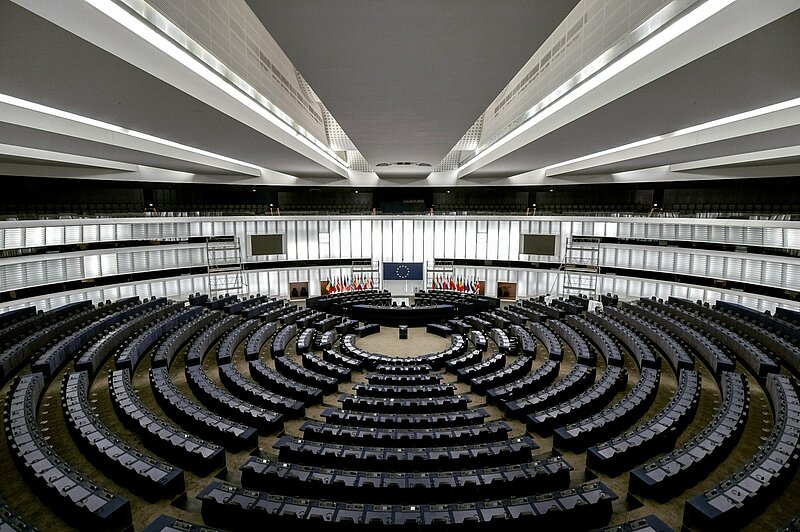
Initially, the French Parliament had complete control over parliamentary time, often putting the government in difficulty. The 1958 Constitution transferred this control to the government. The 2008 revision shifted the balance of power, giving the parliamentary majority more influence over the agenda and speaking time.
Parliamentary time in Europe: a mosaic of practices
Europe shows a diversity of parliamentary systems: Germany strictly controls to avoid obstruction, Sweden relies on consensus, Italy suffers from instability, and in the Netherlands, the coalition influences the agenda.
The shift towards urgency: when the government is in a hurry
Legislative time is accelerated by the urgency procedure, which prioritises certain texts for rapid examination, which varies from country to country. In France, the accelerated procedure (formally called emergency procedure before 2008) facilitates this process but can raise issues of power.
The issues
Urgent legislation is a tool used to respond quickly to crises such as pandemics or financial problems. It speeds up the passage of legislation, but can limit debate and parliamentary scrutiny. Germany and Sweden regulate this procedure to maintain democratic quality. Frequent use can undermine the quality of legislation and confidence in institutions.
Find out more about the Parliaments race against time here (pdf, 99 ko)